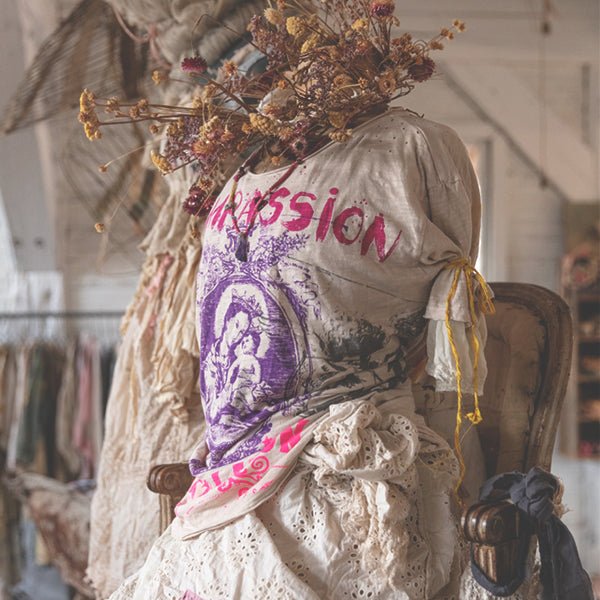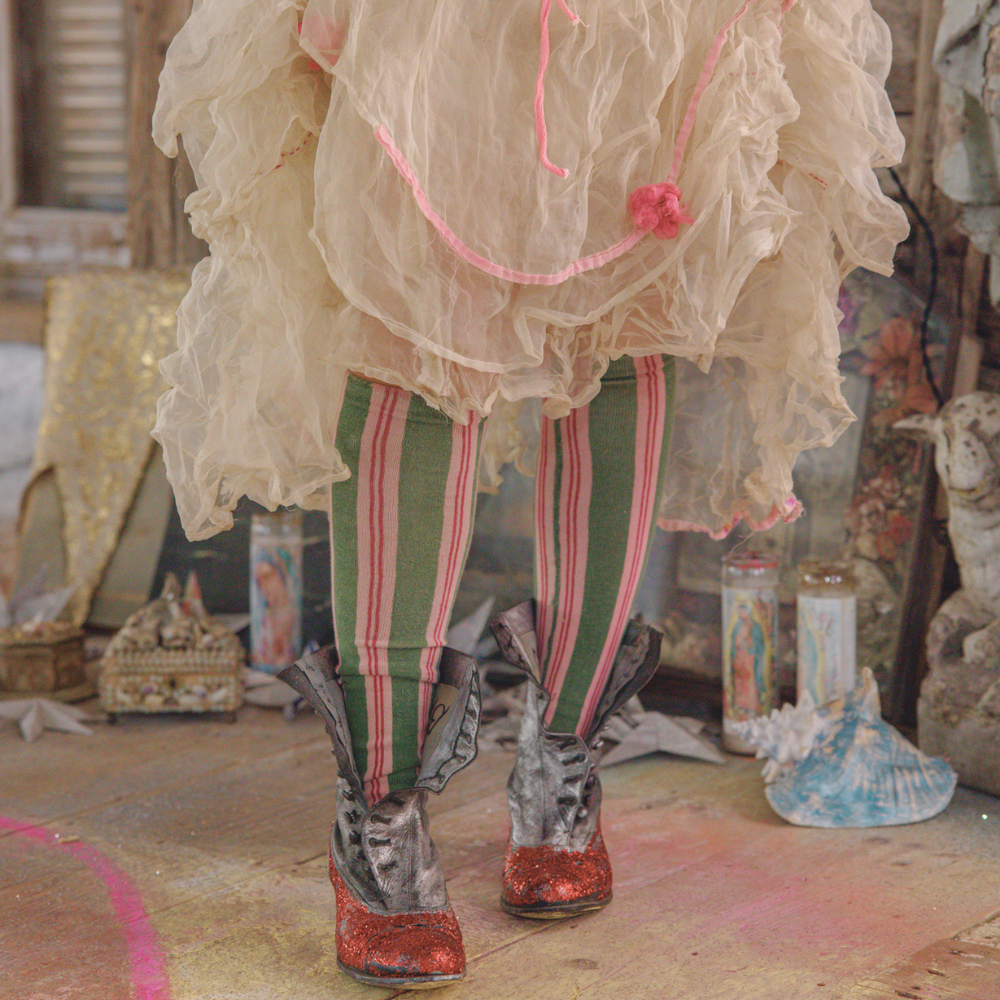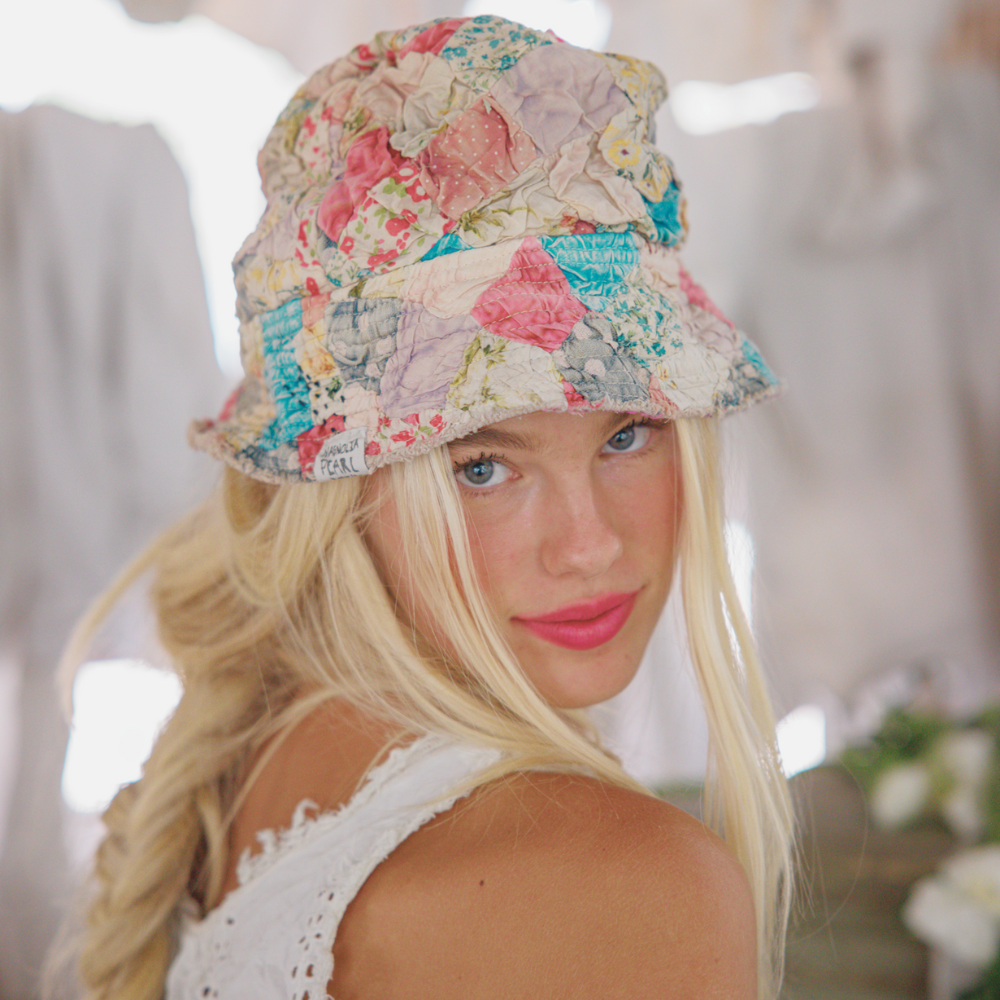


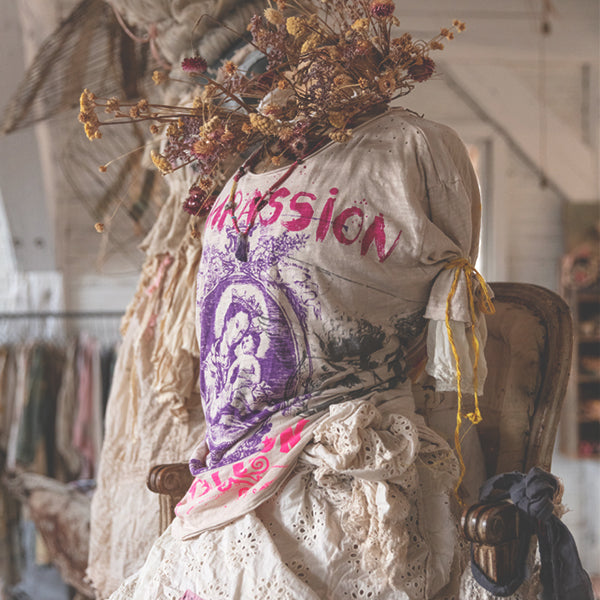


Most clothing loses value the moment it leaves the store. Depreciation is assumed, rapid, and rarely questioned. Yet a small number of garments circulate differently, retaining or even increasing their value over time. Magnolia Pearl, a Texas-founded fashion label known for visibly mended, limited-production clothing, has become a notable case study in what happens when apparel resists the logic of disposability.

Magnolia Pearl’s rise is often framed through its origin story and its organic embrace by artists and collectors. What has followed is less visible but more consequential: a secondary market in which many garments resell for multiples of their original prices. Across consignment shops, collector groups, and now the brand’s own resale platform, demand remains strong, particularly for rare and archived pieces.

Magnolia Pearl, the Texas-based fashion label known for visibly mended garments and limited-run production, is entering 2026 with an unusual data point in an industry defined by rapid depreciation: its clothing continues to resell at or above original prices across multiple categories. While most apparel loses a majority of its retail value within a year, Magnolia Pearl pieces are increasingly circulating in secondary markets as valued collectables rather than remnants.

There was a time when clothing was expected to last—not as an aesthetic choice, but as a fact of life. A jacket was repaired because it had to be. A dress was altered because the fabric was precious, and memory more so. Fashion, before it became an industry addicted to velocity, understood wear as evidence of living. The modern marketplace taught us otherwise. It taught us to fear frayed hems, to disguise mending, to equate worth with the untouched. In doing so, it severed clothing from time.