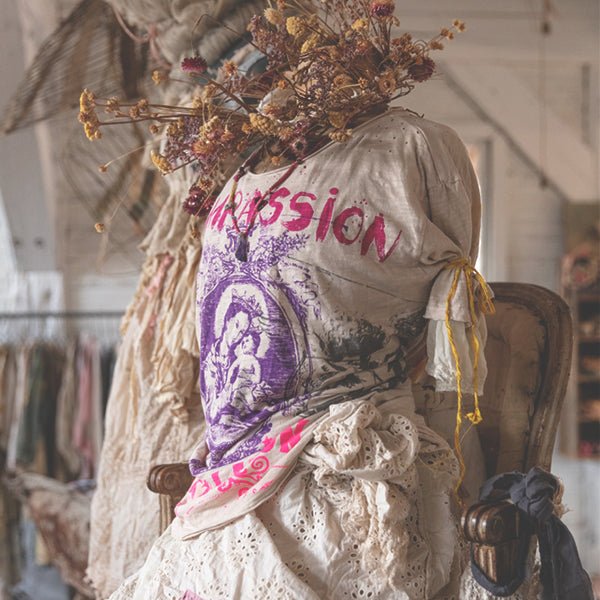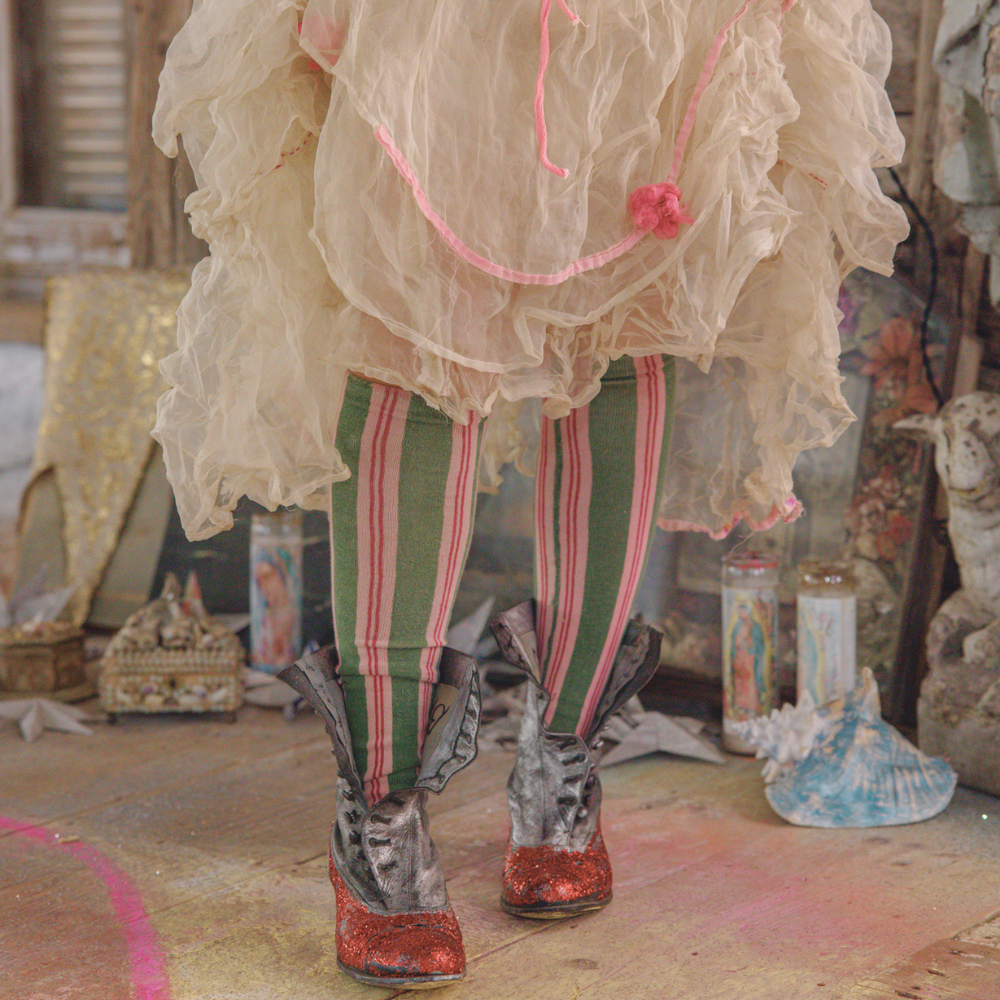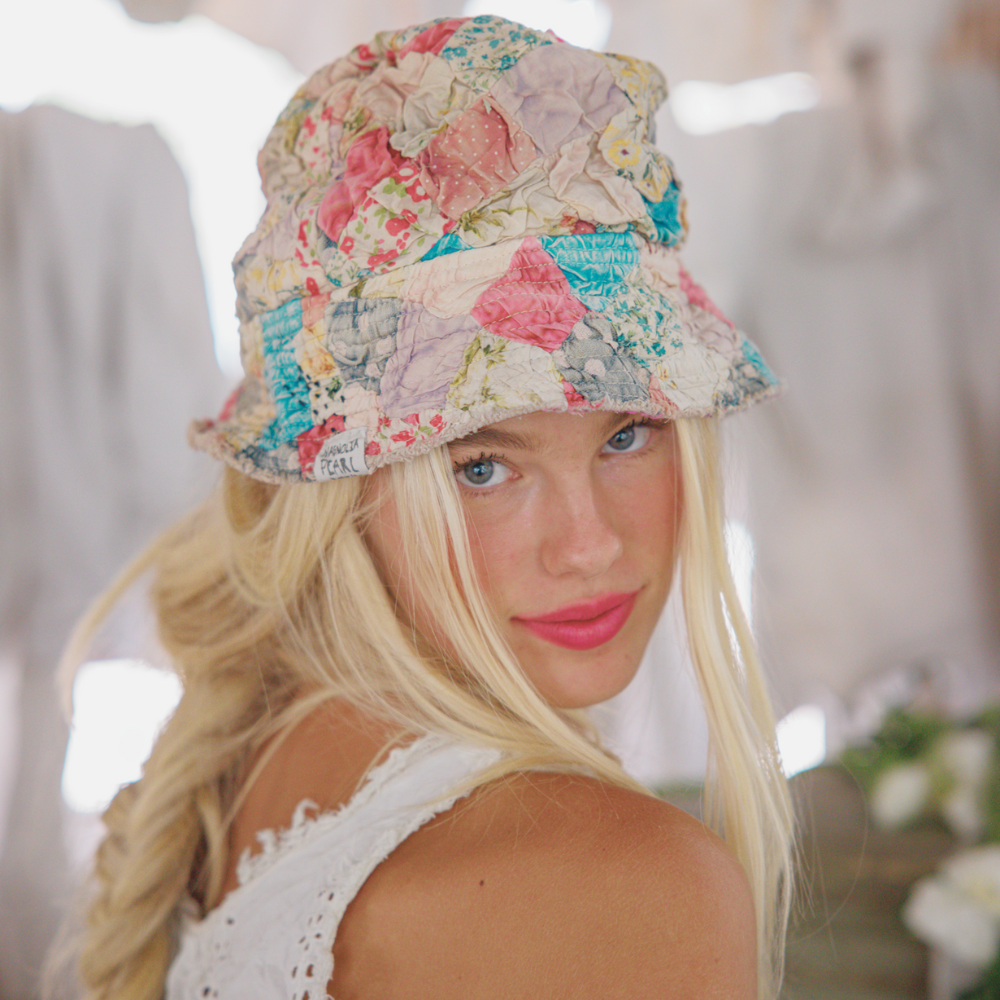


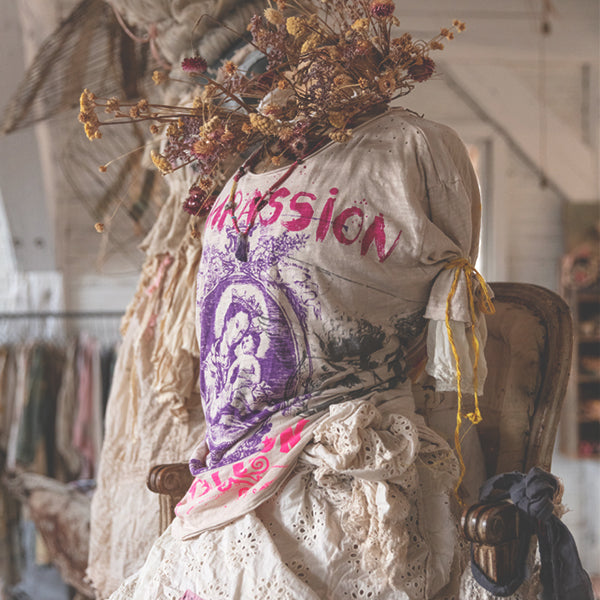


Mending functioned, for much of modern history, as a form of survival. Clothes were patched because replacement was impossible, because fabric carried memory, because repair was cheaper than discard. Fashion eventually learned to conceal that past. Magnolia Pearl chose not to.

There is a long American tradition of learning value through scarcity. Before value was abstracted into price tags and quarterly earnings, it was measured in hours of work, in the lifespan of objects, in whether something endured long enough to be passed along. Clothing, especially, once told that story plainly. It stretched, faded, was repaired, and carried the weight of a life. Its worth accrued not despite wear, but because of it.

Sometimes the threads that bind are the ones most weathered by time. For generations, fashion has worshipped the new, chasing novelty with the same relentless energy that societies once chased progress. This desire for unblemished things has led to mountains of waste and depletion so persistent that the landscape itself wears the scars. But now, in the age of climate reckoning, the enduring question is not what can be bought, but what can be saved, and who is doing the saving.

There is a long American tradition of mistaking newness for value. From postwar abundance to the churn of fast fashion, the country learned to equate the pristine with the precious, the untouched with the desirable. Yet history keeps offering a quieter lesson: what endures – what bears marks, repairs, and memory – often carries the greater worth. In that sense, the rising resale value of Magnolia Pearl garments is less a market anomaly than a cultural correction.